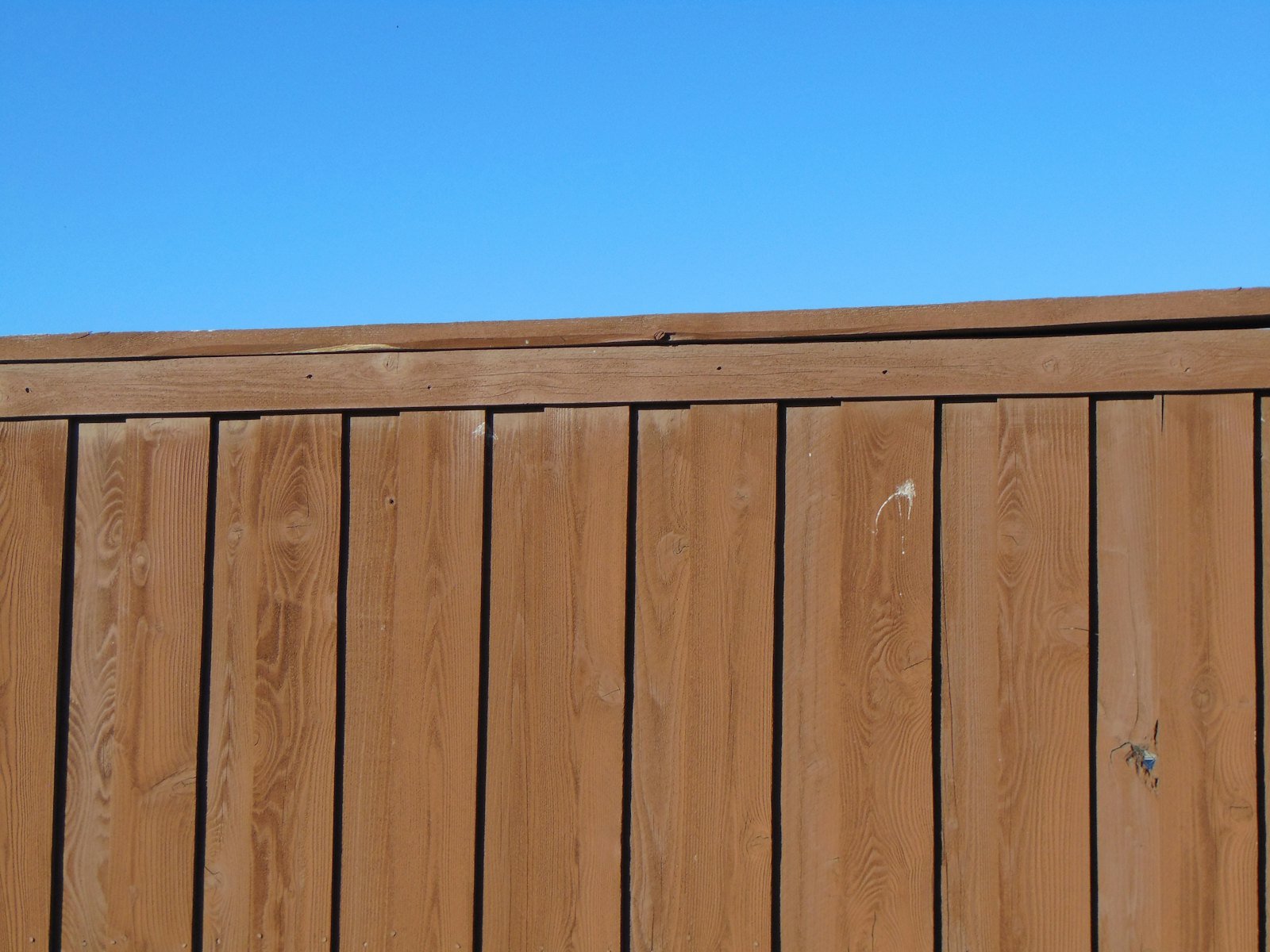
If you’re replacing a fence in Lewisville, Flower Mound, or anywhere in North DFW, the choice usually comes down to two materials: cedar and vinyl. Both make great privacy fences. They just make different trade-offs on cost, upkeep, and looks.
Here’s how they compare in North Texas, where summer heat, spring storms, and shifting clay soil are hard on any fence.
The Short Answer
- Choose cedar if you want the lowest upfront cost, a natural wood look, and you don’t mind staining every few years.
- Choose vinyl if you want a fence you can mostly forget about and you’re willing to pay more upfront for it.
Cedar vs. Vinyl at a Glance
| Cedar | Vinyl | |
|---|---|---|
| Upfront cost | Lower | Higher |
| Upkeep | Stain every 2–3 years | Rinse with a hose |
| Typical lifespan | 15–20 years with steel posts and stain | 20–30 years |
| Look | Warm, natural wood grain | Clean, uniform, bright |
| Texas sun | Grays and dries out without stain | Holds up if UV-rated |
| Repairs | Easy to swap single pickets | Replace panels or boards |
| HOA approval | Almost always allowed | Often allowed; check colors |
Why Cedar Is the Most Popular Fence in North Texas
Walk through almost any neighborhood in Lewisville or Flower Mound and you’ll see six-foot cedar privacy fences. Cedar is naturally resistant to rot and insects, it’s easy to work with, and it costs less than vinyl for the same length of fence.
Cedar also gives you style options. Board-on-board fences stay private even as the wood shrinks. Shadowbox fences look finished from both sides, which neighbors appreciate. A top cap and trim add a custom look for little extra cost.
The trade-off is upkeep. Unstained cedar turns gray within a year or two under the Texas sun and can start to crack and split. Plan on cleaning and staining it every two to three years.
Why Some Homeowners Choose Vinyl
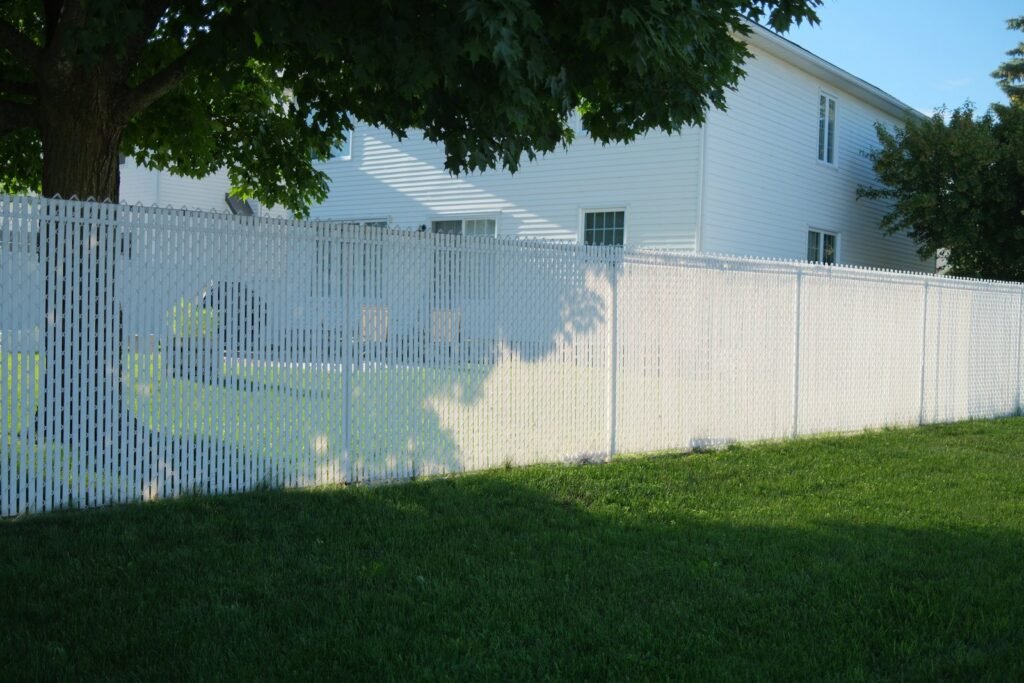
Vinyl (PVC) fencing never needs paint or stain. It doesn’t rot, splinter, or attract termites, and a quick rinse with the hose keeps it looking new. Many homeowners make back the higher upfront price by skipping years of staining and repairs.
In North Texas, the key is quality. Ask for UV-inhibited vinyl made for strong sun, and for aluminum-reinforced gate posts so gates don’t sag. Cheaper vinyl can yellow or turn brittle after a few hot summers.
The Factor That Matters More Than Material: Posts
Whichever material you choose, the posts decide how long your fence stays straight. North Texas clay soil swells when it’s wet and shrinks during droughts, and that movement pushes posts out of line.
For cedar fences, ask about galvanized steel posts set in concrete. They don’t rot or twist like wood posts. For vinyl, ask how the posts are reinforced, especially at gates.
Questions to Ask Before You Decide
- What does my HOA allow for material, height, and color?
- How long do I plan to stay in this house?
- Am I willing to stain the fence every two to three years?
- Will the fence face full afternoon sun?
- Do I need a pool-code fence or matching gates?
Which One Is Right for You?
If budget and a natural look matter most, cedar with steel posts is hard to beat. If you’d rather never think about your fence again, vinyl is worth a look. Either way, a local pro can measure your yard, check your HOA rules, and give you a written price for both options so you can compare.
Get a Free Cedar or Vinyl Fence Quote
Serving Lewisville, Flower Mound, Highland Village, and North DFW. Call or text (940) 331-6223, or fill out the form.
Related: Wood & cedar fences · Vinyl fences · Fence staining · Repair or replace your fence?
Leave a Reply